Every July and August we get the same worried message: is it still safe to travel north with the monsoon rains, and are the roads open? The honest answer is that it depends entirely on where you go. Some of the north is at its absolute best right now. Some of it you should wait on.
Monsoon season in Pakistan runs from late June to mid September, and July and August are the wettest months. During this time, parts of the country get heavy rain that can trigger landslides and block mountain roads. But here is the part most people do not realise: a large stretch of the far north sits beyond the monsoon belt entirely, stays dry and clear, and is actually at its most beautiful in these very months.
So instead of cancelling your summer trip, the smart move is simply to choose the right region. This guide breaks down exactly where is safe, where to be careful, and how to plan around the rain.
Quick Summary
- The far north (Hunza, Skardu, Deosai, Gilgit-Baltistan) sits beyond the monsoon belt and stays dry in July and August
- Lower routes (Naran, Kaghan, Galiyat, and the KKH near Chilas) get direct rain and can see landslides
- Flying into Gilgit or Skardu avoids the long, rain-affected drives
- Always build one or two buffer days into a monsoon-season plan
- The monsoon eases by mid to late September, and autumn is superb
Is It Safe to Travel to Northern Pakistan During Monsoon Season?
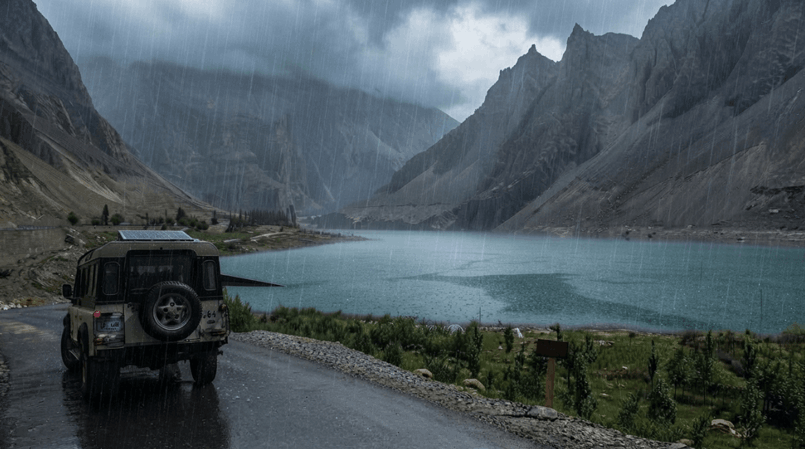
Yes, large parts of northern Pakistan are safe to travel during monsoon season if you choose the right areas. The far north, including Hunza, Skardu, Deosai and Gilgit-Baltistan, sits beyond the main monsoon belt and stays largely dry in July and August. The areas to be cautious about are the lower and central mountain routes such as Naran, Kaghan, the Galiyat and parts of the Karakoram Highway near Chilas, where heavy rain can trigger landslides and rockfall.
The key thing to understand is that Pakistan's monsoon is not evenly spread. The rain-bearing clouds push up from the south and east and lose most of their moisture against the lower and middle mountains. By the time you reach the high Karakoram in the far north, there is very little rain left. That is why Hunza and Skardu can be dry and sunny while it is pouring in Murree.
Which Parts of Northern Pakistan Are Monsoon-Safe in July and August?
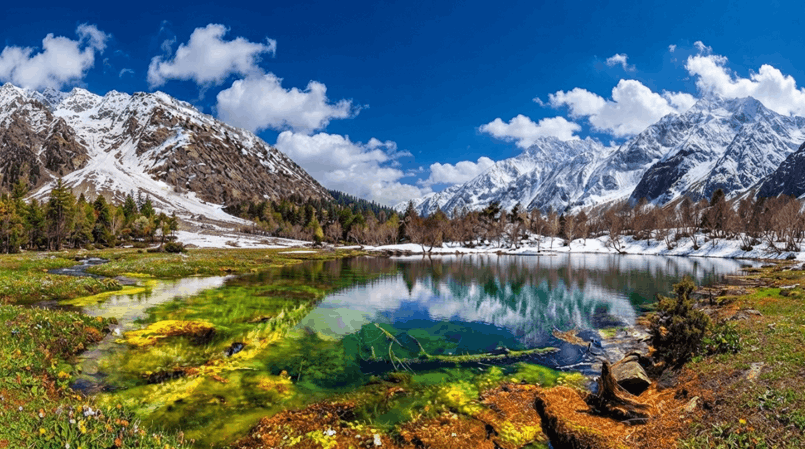
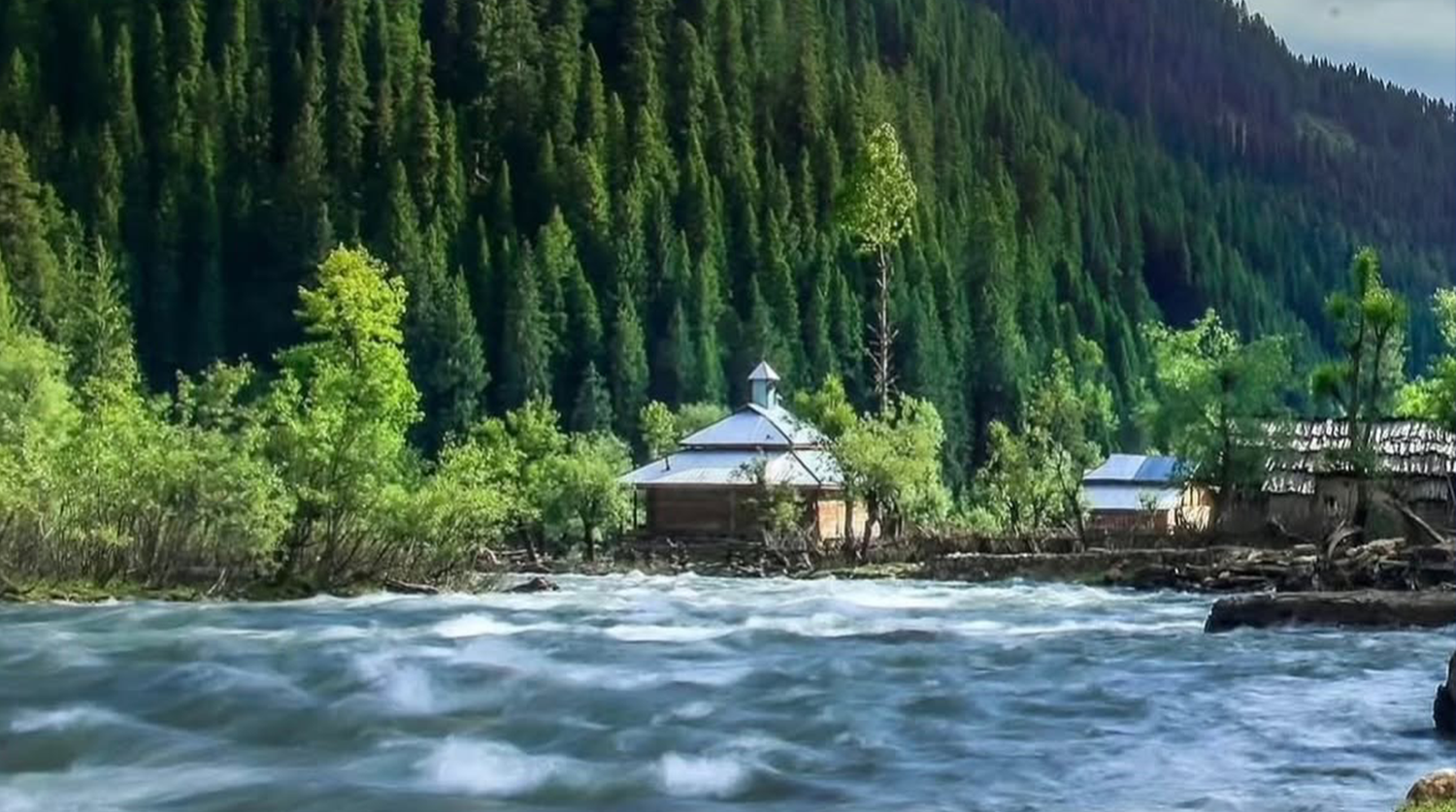
Hunza Valley, Skardu, the Deosai Plains, Fairy Meadows and Naltar Valley are the most monsoon-safe destinations. These areas lie in the rain shadow of the high Himalaya and Karakoram, so the monsoon clouds largely do not reach them. They enjoy dry, clear weather and are actually at their scenic best in August, which is why we recommend them for summer travel.
Here is why each of these works so well in the monsoon months:
Hunza Valley
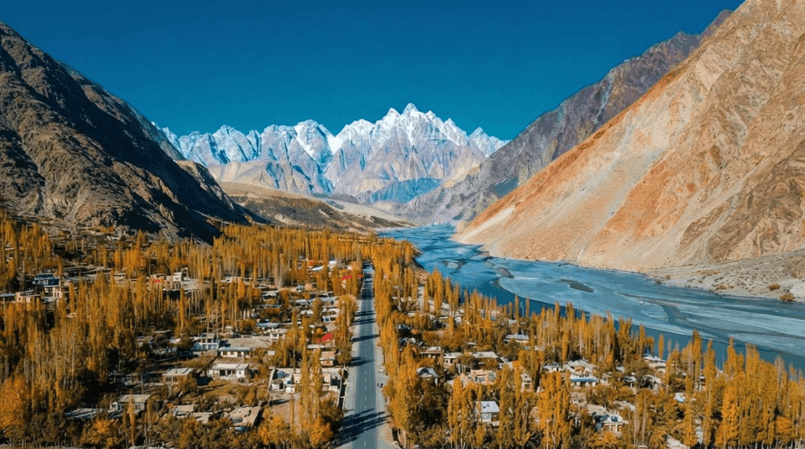
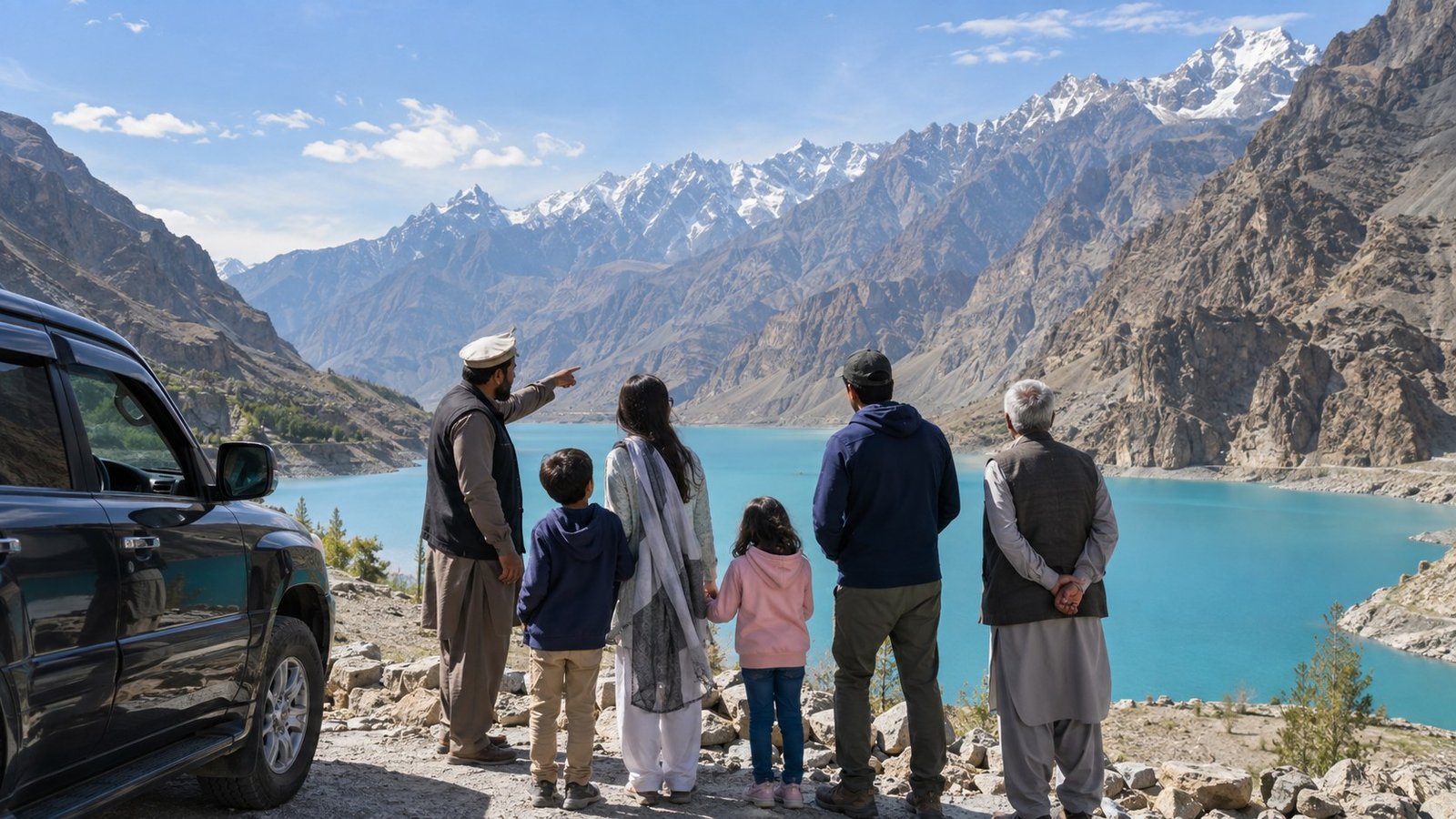
Dry, sunny and green, with the apricot orchards lush and the glaciers gleaming. Attabad Lake, the forts and the viewpoints are all at their best, and the cool mountain air is a relief from the heat of the plains.
Skardu
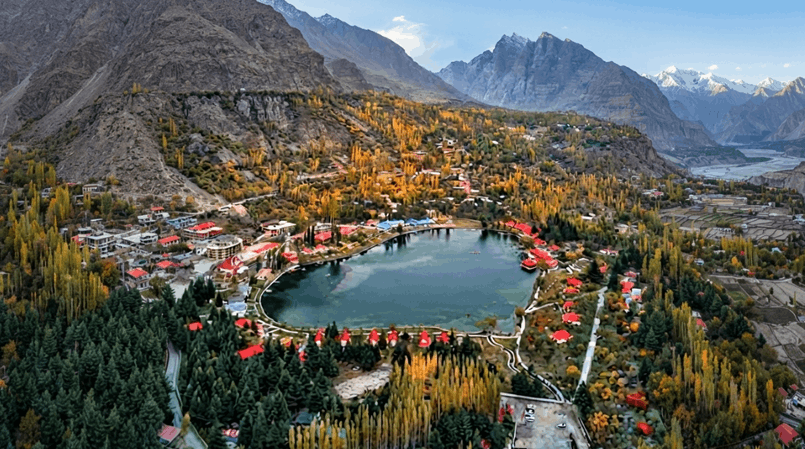
One of the driest parts of the country in summer, with turquoise lakes, cold deserts and clear views toward K2. The road in from the plains can be affected by weather, which is exactly why flying to Skardu is the smart monsoon option.
Deosai Plains
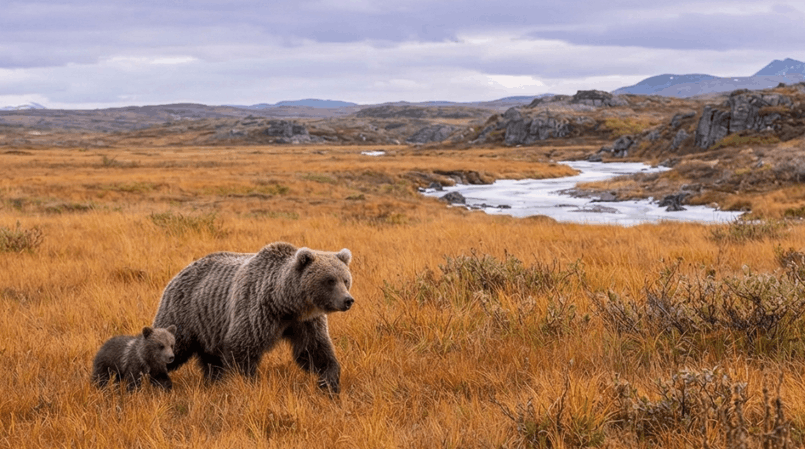
This high plateau at over 4,000 metres is only accessible in summer, and August is peak wildflower bloom. It sits well above and beyond the rain, and you may spot Himalayan brown bears and marmots.
Fairy Meadows and Naltar Valley
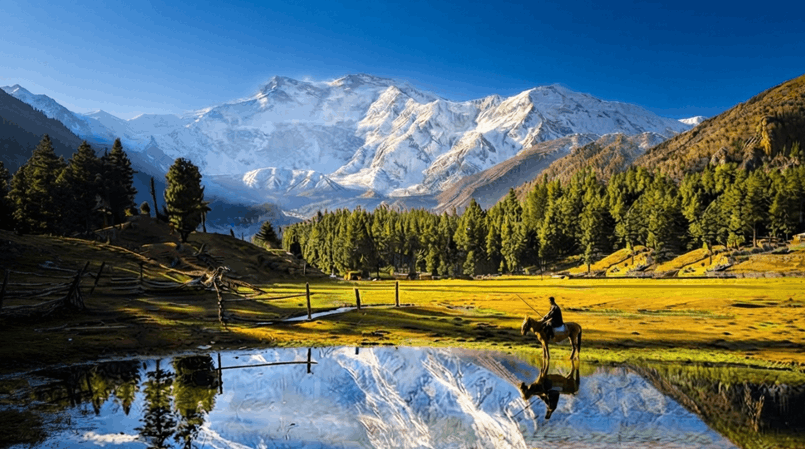
Both are green, high and largely dry in August. Fairy Meadows offers sunrise on Nanga Parbat, and Naltar has jewel-coloured alpine lakes that very few travellers reach.
Which Areas Should I Avoid or Be Careful About During Monsoon?
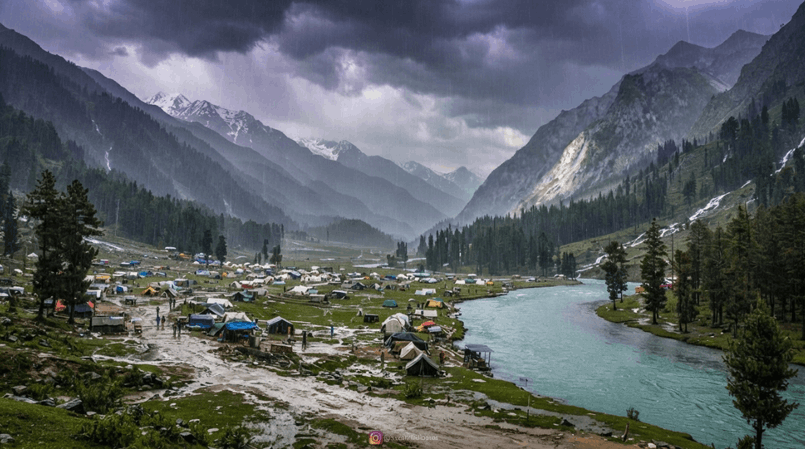
Be cautious about Naran and Kaghan Valley, Swat's lower routes, the Galiyat and Murree, and the Karakoram Highway stretch around Chilas and Besham during heavy rain. These lower-altitude areas receive direct monsoon rainfall, which can cause landslides, rockfall and temporary road blockages. Travel is still possible, but you should check current road conditions daily and build buffer days into your plan.
None of these places are off-limits, and they are beautiful in their own right. The point is simply that in peak monsoon they carry more weather risk, so they need more caution, more flexibility, and a close eye on daily road updates. If your heart is set on Naran or Swat, late August into September is usually safer than mid-July.
At a glance
Why this matters: most travel pages just tell you to "visit the north in summer." Almost none tell you honestly that some routes carry real landslide risk in peak monsoon. Knowing the difference is what turns a stressful trip into a smooth one.
How Do I Plan a Safe Northern Pakistan Trip During Monsoon?
Focus your route on the far north beyond the monsoon belt, such as Hunza and Skardu, and fly into Gilgit or Skardu rather than driving the long lower routes if you can. Build one or two buffer days into your itinerary for weather delays, travel with an operator who monitors road conditions daily, and keep your plans flexible. A good local operator will reroute you around any blocked road rather than cancel your trip.
A few practical habits make all the difference in the monsoon months:
- Fly when you can. Flights to Gilgit and Skardu skip the long, weather-exposed drives. They can be delayed by cloud, so keep a buffer day.
- Build in buffer days. One or two spare days let you wait out a blocked road without losing the whole trip.
- Travel mountain sections in daylight. Rockfall and slips are easier to see and avoid in the day.
- Check conditions daily. Roads can open and close within hours in heavy rain. Local knowledge beats any forecast.
- Stay flexible. The goal is to reroute, not cancel. There is almost always a safe way through if you plan for it.
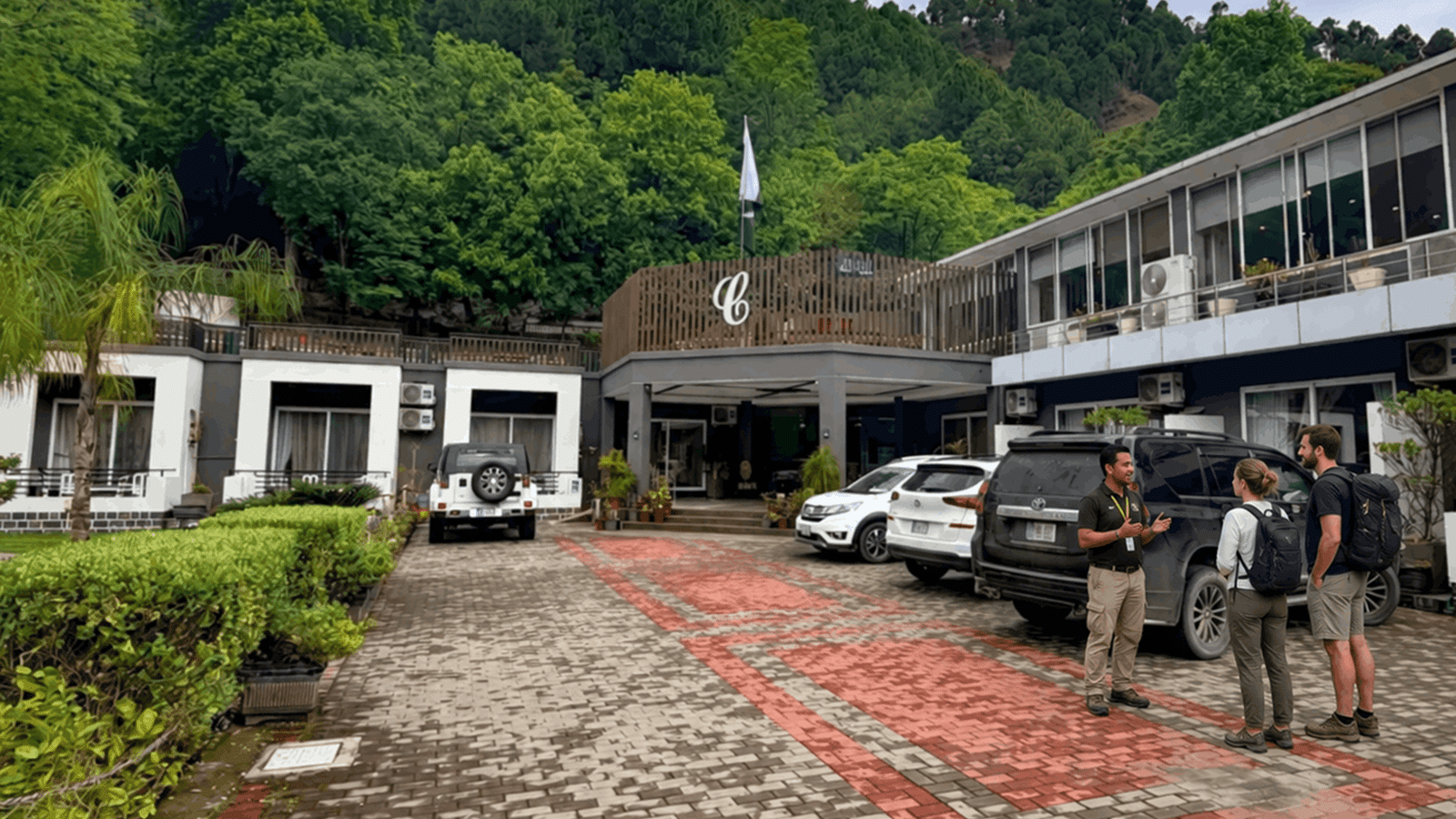
This is exactly the part we handle for our guests. We watch the roads every day in the monsoon months, keep to the safe northern routes, and adjust the plan if the weather turns, so you get the mountains without the stress.
The Bottom Line
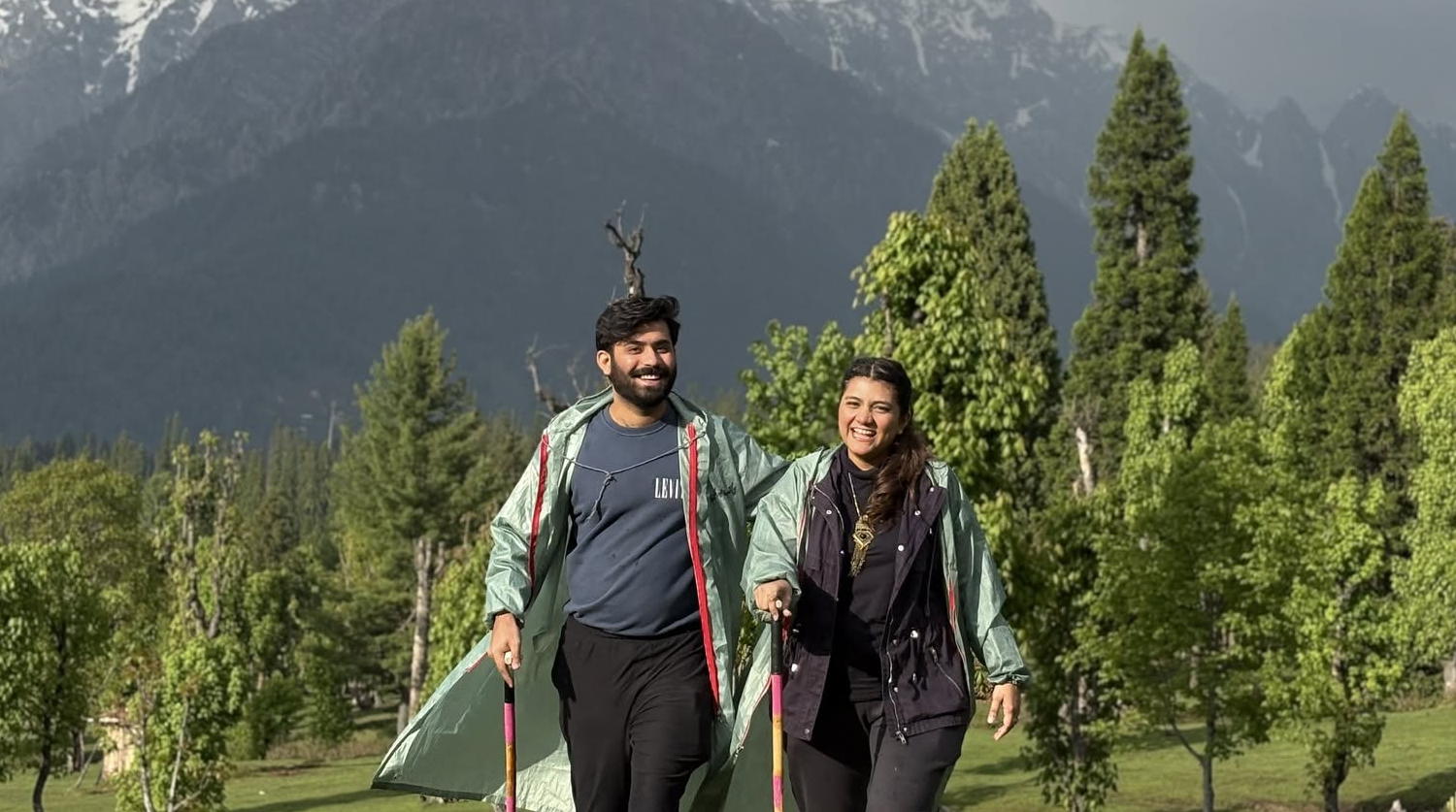
Monsoon season does not mean staying home. It means being smart about where you go. Point your trip at the far north, where Hunza, Skardu, Deosai and Fairy Meadows are dry, green and at their finest in August, and treat the lower routes with caution. Do that, and the monsoon months become one of the best times of year to see the real mountains of Pakistan.
This is a sensitive season on the roads, so if you are planning travel during heavy rain, it is worth going with people who know the ground and watch it daily.
Frequently Asked Questions